In today’s fast-paced digital world, a cloud based CRM app isn’t just a luxury—it’s a necessity. Discover how this powerful tool transforms customer relationships, boosts sales, and scales with your business—all from the cloud.
[ez-toc]
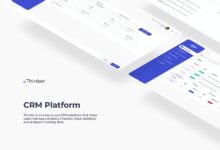





What Is a Cloud Based CRM App?

A cloud based CRM app is a customer relationship management system hosted on remote servers and accessible via the internet. Unlike traditional on-premise CRM software, which requires local installation and maintenance, cloud CRM solutions are delivered as a service (SaaS), enabling businesses to manage customer interactions, sales pipelines, marketing campaigns, and support tickets from anywhere, on any device.
How Cloud CRM Differs from On-Premise CRM
The primary distinction lies in deployment and accessibility. On-premise CRM systems require businesses to purchase licenses, install software on local servers, and manage updates and security in-house. This often leads to high upfront costs and IT overhead.
In contrast, a cloud based CRM app eliminates the need for physical infrastructure. Vendors host the software, handle maintenance, and ensure data security, allowing companies to focus on growth rather than technical management. For a deeper dive into CRM deployment models, check out Salesforce’s comprehensive guide.
- Cloud CRM: Subscription-based, scalable, accessible from any internet-connected device.
- On-Premise CRM: One-time purchase, limited scalability, requires local IT support.
- Hybrid CRM: Combines elements of both, offering flexibility but increased complexity.
“The shift to cloud CRM is not just technological—it’s cultural. It empowers teams to collaborate in real time and respond faster to customer needs.” — Gartner Research
Core Components of a Cloud Based CRM App
A robust cloud based CRM app typically integrates several key modules to streamline business operations:
- Sales Automation: Tracks leads, manages pipelines, automates follow-ups, and forecasts revenue.
- Marketing Automation: Enables targeted email campaigns, lead scoring, and campaign performance tracking.
- Customer Service & Support: Offers ticketing systems, knowledge bases, and live chat integration.
- Analytics & Reporting: Provides dashboards and insights into customer behavior and team performance.
- Mobile Access: Ensures users can access CRM data on smartphones and tablets.
These components work together to create a unified view of the customer, improving decision-making and enhancing customer experiences.
Top 7 Benefits of Using a Cloud Based CRM App
Adopting a cloud based CRM app can revolutionize how your business interacts with customers. Here are seven compelling advantages that make it a game-changer for organizations of all sizes.
1. Cost Efficiency and Lower TCO
One of the most significant advantages of a cloud based CRM app is its cost-effectiveness. Traditional CRM systems often require substantial capital investment in hardware, software licenses, and IT personnel. Cloud CRM operates on a subscription model, turning large upfront costs into predictable monthly or annual fees.
- No need for server purchases or data center maintenance.
- Reduced IT staffing requirements for system upkeep.
- Pay-as-you-go pricing allows businesses to scale usage with growth.
According to a Nucleus Research report, companies using cloud CRM achieve an average return on investment (ROI) of $8.71 for every dollar spent—significantly higher than on-premise alternatives.
2. Accessibility and Remote Work Enablement
In an era where remote and hybrid work models dominate, a cloud based CRM app ensures that sales, marketing, and support teams can access critical customer data from anywhere in the world. Whether employees are working from home, traveling, or in different time zones, they can log in securely and stay productive.
- Real-time access to customer profiles, interaction history, and task lists.
- Seamless collaboration across departments and geographies.
- Integration with video conferencing and communication tools like Zoom and Slack.
This level of accessibility not only improves operational efficiency but also enhances customer responsiveness—key to maintaining competitive advantage.
3. Rapid Deployment and Easy Setup
Unlike traditional CRM systems that can take weeks or months to deploy, a cloud based CRM app can be up and running in days. Most providers offer intuitive setup wizards, pre-built templates, and guided onboarding processes.
- No complex installation or configuration required.
- Quick integration with existing tools like email, calendars, and e-commerce platforms.
- Minimal downtime during migration from legacy systems.
For example, platforms like HubSpot and Zoho CRM offer free trials and starter plans that allow businesses to test functionality before committing financially.
4. Automatic Updates and Continuous Innovation
With a cloud based CRM app, software updates are handled automatically by the provider. This means users always have access to the latest features, security patches, and performance improvements without manual intervention.
- Zero downtime upgrades performed during off-peak hours.
- Frequent feature rollouts based on user feedback and market trends.
- Compliance with evolving data protection regulations (e.g., GDPR, CCPA).
This continuous innovation cycle ensures that businesses remain agile and equipped with cutting-edge tools without additional effort or cost.
5. Scalability to Match Business Growth
As your business grows, so do your CRM needs. A cloud based CRM app is inherently scalable, allowing you to add users, increase storage, or unlock advanced features with just a few clicks.
- Supports startups with basic plans and enterprise-level organizations with premium tiers.
- Flexible user licensing—add or remove team members instantly.
- Handles increased data volume without performance degradation.
This scalability makes cloud CRM ideal for companies experiencing rapid growth or seasonal fluctuations in customer engagement.
6. Enhanced Data Security and Backup
Contrary to common misconceptions, cloud based CRM apps often provide superior security compared to on-premise systems. Leading providers invest heavily in encryption, multi-factor authentication, intrusion detection, and regular audits.
- Data encrypted both in transit and at rest.
- Regular automated backups prevent data loss due to human error or disasters.
- Compliance with international standards such as ISO 27001, SOC 2, and HIPAA.
For instance, Microsoft Dynamics 365 leverages Azure’s enterprise-grade security infrastructure to protect customer data globally.
7. Seamless Integration with Other Business Tools
A major strength of modern cloud based CRM apps is their ability to integrate with a wide range of third-party applications. From email marketing platforms to accounting software, these integrations create a unified ecosystem that streamlines workflows.
- Sync contacts and calendars with Gmail and Outlook.
- Connect with e-commerce platforms like Shopify and WooCommerce.
- Integrate with ERP systems such as SAP and NetSuite.
APIs and app marketplaces (like Salesforce AppExchange) make it easy to extend functionality and customize the CRM to fit specific business needs.
Key Features to Look for in a Cloud Based CRM App
Not all cloud based CRM apps are created equal. To maximize value, businesses should evaluate potential solutions based on a set of essential features that align with their goals and workflows.
Contact and Lead Management
At the heart of any CRM is the ability to organize and track customer information. A powerful cloud based CRM app should offer comprehensive contact management, including:
- Centralized database for storing names, emails, phone numbers, and company details.
- Lead scoring and segmentation to prioritize high-value prospects.
- Duplicate detection and data enrichment tools to maintain accuracy.
Effective lead management enables sales teams to nurture prospects through personalized communication and timely follow-ups.
Automation of Sales and Marketing Processes
Automation is a cornerstone of efficiency in modern CRM systems. A top-tier cloud based CRM app should automate repetitive tasks such as:
- Email follow-ups after lead capture.
- Task assignment based on lead behavior or stage in the sales funnel.
- Scheduling social media posts and drip campaigns.
By reducing manual effort, automation allows teams to focus on building relationships and closing deals.
Customization and Workflow Flexibility
Every business has unique processes. A flexible cloud based CRM app should allow customization of fields, pipelines, dashboards, and workflows without requiring coding skills.
- Drag-and-drop interface for creating custom forms and layouts.
- Workflow builders to automate internal approvals and notifications.
- Role-based access control to tailor user permissions.
This adaptability ensures the CRM grows with your business and supports evolving strategies.
Popular Cloud Based CRM App Providers in 2024
The market for cloud based CRM apps is highly competitive, with several established players offering robust solutions tailored to different industries and business sizes.
Salesforce: The Industry Leader
Salesforce remains the gold standard in cloud CRM, powering over 150,000 companies worldwide. Its platform offers unparalleled depth in sales, service, marketing, and analytics.
- Highly scalable with multiple editions (Essentials, Professional, Enterprise, Unlimited).
- Extensive app ecosystem via AppExchange.
- Strong AI capabilities with Einstein Analytics.
Learn more at Salesforce Sales Cloud.
HubSpot CRM: Best for Small to Mid-Sized Businesses
HubSpot CRM stands out for its user-friendly interface and generous free plan. It’s ideal for startups and growing businesses looking for an all-in-one marketing and sales platform.
- Free CRM with contact management, email tracking, and deal pipelines.
- Seamless integration with HubSpot’s marketing, sales, and service hubs.
- Excellent onboarding resources and educational content.
Explore HubSpot at HubSpot CRM.
Microsoft Dynamics 365: Deep Integration with Office 365
Dynamics 365 combines CRM and ERP functionalities, making it a strong choice for enterprises already using Microsoft products.
- Tight integration with Outlook, Teams, and Excel.
- Powerful AI and business intelligence tools.
- Flexible deployment options across departments.
Visit Microsoft Dynamics 365 for details.
How to Choose the Right Cloud Based CRM App for Your Business
Selecting the right cloud based CRM app requires careful evaluation of your business needs, budget, and long-term goals. Here’s a step-by-step guide to help you make an informed decision.
Assess Your Business Needs and Goals
Start by identifying what you want to achieve with your CRM. Common objectives include:
- Improving lead conversion rates.
- Enhancing customer support response times.
- Streamlining marketing campaign management.
- Gaining better visibility into sales performance.
Understanding your priorities will help narrow down features and vendors that align with your strategy.
Evaluate Scalability and Integration Capabilities
Choose a cloud based CRM app that can grow with your business. Ask:
- Can the system handle more users and data in the future?
- Does it integrate with your current tech stack (email, e-commerce, accounting)?
- Is there an API for custom integrations?
Platforms like Zoho CRM and Freshsales offer modular pricing and extensive integration libraries.
Consider User Experience and Training Requirements
Even the most powerful CRM will fail if users find it difficult to adopt. Prioritize solutions with intuitive interfaces and strong support resources.
- Look for mobile apps and responsive design.
- Check availability of training videos, knowledge bases, and customer support.
- Request a demo or free trial to test usability firsthand.
User adoption is critical—studies show that poor adoption can reduce CRM ROI by up to 50%.
Implementation Best Practices for Cloud Based CRM Apps
Successful CRM implementation goes beyond software selection. It involves planning, data migration, team training, and ongoing optimization.
Plan Your CRM Strategy Before Deployment
Define clear objectives, assign roles, and map out workflows before going live. Involve stakeholders from sales, marketing, and IT to ensure alignment.
- Create a project timeline with milestones.
- Identify key performance indicators (KPIs) to measure success.
- Establish data governance policies for consistency and compliance.
Data Migration and System Integration
Migrating data from spreadsheets or legacy systems requires careful planning to avoid errors and duplication.
- Clean and standardize data before import (remove duplicates, correct formats).
- Use built-in import tools or third-party migration services.
- Test integration with other systems (e.g., email, calendar, ERP) before full rollout.
Many vendors offer professional services to assist with complex migrations.
Train Your Team and Drive Adoption
No CRM succeeds without user buy-in. Invest in comprehensive training programs tailored to different roles.
- Conduct hands-on workshops and role-specific tutorials.
- Appoint internal CRM champions to support peers.
- Provide ongoing refresher courses as new features are released.
Regular feedback loops help identify pain points and improve usage over time.
Future Trends Shaping Cloud Based CRM Apps
The evolution of cloud based CRM apps is accelerating, driven by advancements in artificial intelligence, automation, and customer expectations.
AI-Powered Insights and Predictive Analytics
Modern CRM platforms are integrating AI to deliver smarter insights. Features like predictive lead scoring, sentiment analysis, and next-best-action recommendations are becoming standard.
- Salesforce Einstein and Microsoft AI provide real-time suggestions.
- Chatbots powered by natural language processing handle routine inquiries.
- Forecasting models improve accuracy in revenue predictions.
These capabilities enable proactive customer engagement and data-driven decision-making.
Mobile-First and Voice-Enabled CRM
As mobile usage grows, CRM vendors are prioritizing mobile experiences. Future cloud based CRM apps will offer:
- Offline access with automatic sync when online.
- Voice-to-text note-taking during client calls.
- Voice assistants for quick data lookup (e.g., “What’s John Doe’s last purchase?”).
These innovations enhance productivity for field sales teams and remote workers.
Hyper-Personalization and Customer Journey Mapping
Customers expect personalized experiences. Advanced cloud based CRM apps now map the entire customer journey across touchpoints—email, social media, website, and support.
- Behavioral tracking to deliver relevant content.
- Dynamic segmentation based on real-time actions.
- Automated personalization of emails, offers, and recommendations.
This level of customization strengthens loyalty and increases lifetime value.
What is a cloud based CRM app?
A cloud based CRM app is a web-hosted customer relationship management system that allows businesses to manage customer interactions, sales, marketing, and support online, without needing local servers or software installation.
Is a cloud based CRM app secure?
Yes, reputable cloud based CRM apps use advanced encryption, regular security audits, and compliance with global standards (like GDPR and SOC 2) to protect sensitive customer data.
Can small businesses benefit from a cloud based CRM app?
Absolutely. Cloud based CRM apps offer affordable, scalable solutions ideal for small businesses, helping them manage leads, automate marketing, and improve customer service without heavy IT investment.
How much does a cloud based CRM app cost?
Costs vary by provider and features, but most start at around $10–$50 per user per month. Many offer free plans with basic functionality for startups and small teams.
Which cloud based CRM app is best for sales teams?
Salesforce, HubSpot CRM, and Pipedrive are among the top choices for sales teams due to their intuitive interfaces, automation tools, and robust pipeline management features.
Adopting a cloud based CRM app is no longer optional—it’s a strategic imperative for businesses aiming to thrive in a digital-first economy. From cost savings and scalability to AI-driven insights and seamless collaboration, the benefits are transformative. By choosing the right platform, implementing it effectively, and staying ahead of emerging trends, organizations can build stronger customer relationships, boost productivity, and drive sustainable growth. The future of customer management is in the cloud, and the time to act is now.
Recommended for you 👇
Further Reading: